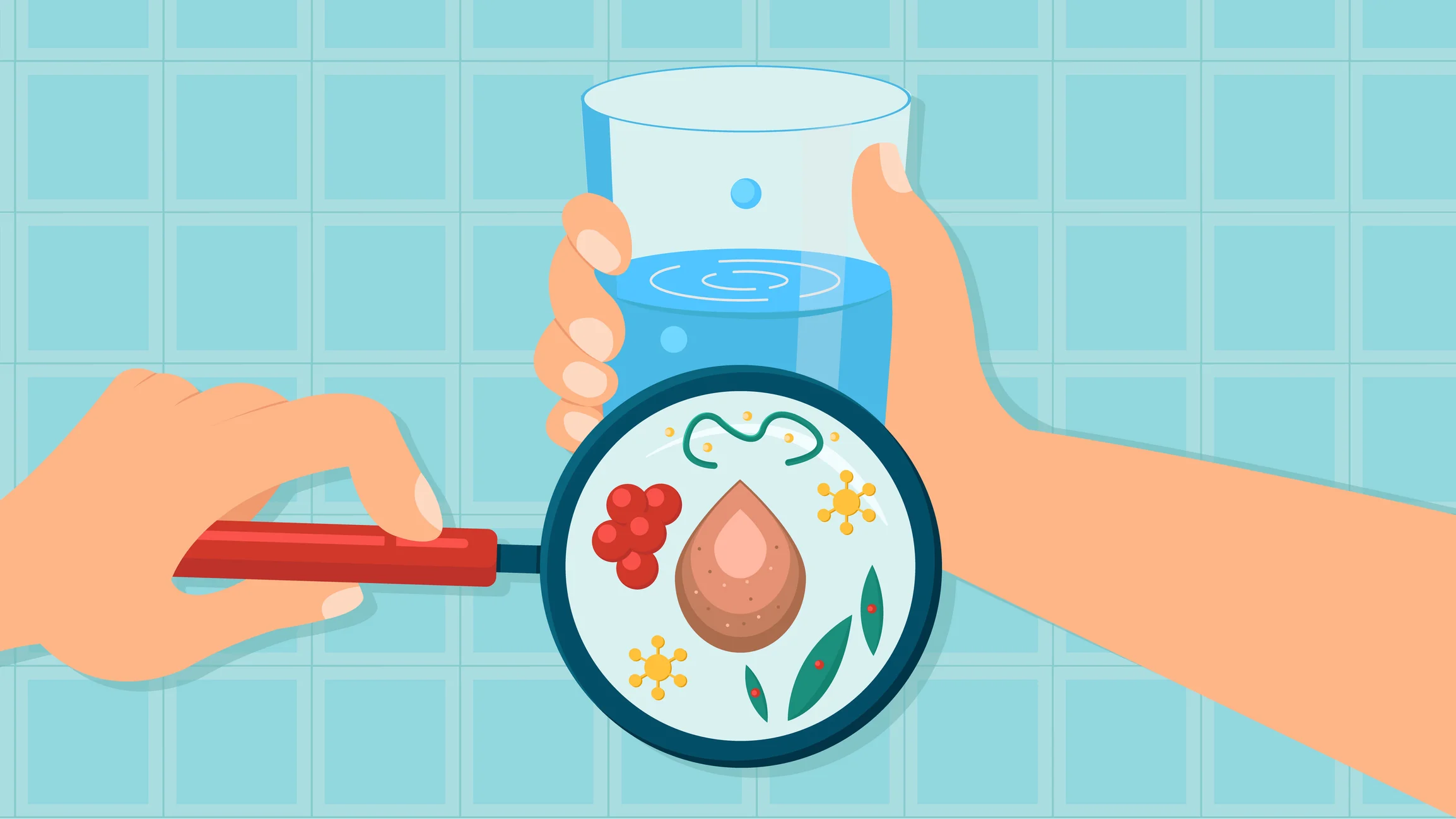
Contaminated Water: Water is essential for life. Every organ in your body—your brain, heart, kidneys, and even your skin—depends on clean water to function properly. But when the water you drink is contaminated, it slowly turns from a life-giver into a silent threat.
Illnesses caused by contaminated water can ruin your trip. Drinking contaminated or unclean water can make you sick with diarrhoea, vomiting, and stomach pain. You can get sick if you use contaminated water for cooking, washing food, preparing drinks, making ice, or brushing teeth. Contact with contaminated water, such as wading or swimming, can also lead to illness. Read on for steps you can take to avoid getting sick from water-borne diseases on your travels.
Many people believe contaminated water only causes temporary stomach problems. In reality, the damage goes much deeper and can affect your body for years—sometimes without clear warning signs.
Let’s understand, step by step, what really happens when you drink contaminated water.
What Is Contaminated Water?
Contaminated water is water that contains substances that should never enter the human body.
These harmful substances include:
- Microorganisms (bacteria, viruses, parasites)
- Chemical pollutants
- Heavy metals
- Industrial and agricultural waste
The most dangerous thing about contaminated water is this:
👉 It often looks clean, tastes normal, and smells fine.
People drink it daily without realising the harm.
How Does Water Become Contaminated?
Water contamination often occurs due to human activities and inadequate infrastructure.
Common Reasons:
- Sewage mixing with drinking water sources
- Poor sanitation systems
- Industrial waste is dumped into rivers
- Pesticides and fertilizers washing into the groundwater
- Old pipes releasing lead or rust
- Floods are spreading polluted water
In many regions, especially developing areas, groundwater contamination is a serious long-term problem.

What Happens First When You Drink Contaminated Water?
Step 1: Attack on the Digestive System
The moment contaminated water enters your stomach, harmful bacteria and toxins begin attacking your digestive tract.
Your body reacts by trying to remove the toxins quickly.
Early symptoms may include:
- Stomach pain
- Bloating
- Nausea
- Vomiting
- Diarrhea
- Fever
These symptoms are warning signals. Ignoring them can make things worse.
Waterborne Diseases: The Biggest Immediate Risk
Contaminated water is one of the leading causes of infectious diseases worldwide.
Common Waterborne Diseases Explained Simply
Diarrhea
Caused by bacteria or parasites. It may seem common, but severe diarrhoea can kill through dehydration, especially in children.
Cholera
Leads to sudden, massive water loss from the body. Without fast treatment, it can be fatal within hours.
Typhoid Fever
Spreads through contaminated food and water. Causes prolonged fever, weakness, and digestive problems.
Dysentery
Results in bloody diarrhoea, severe cramps, and fatigue.
Hepatitis A
A viral infection that damages the liver and causes jaundice, nausea, and long-term weakness.

Dehydration: The Most Dangerous Side Effect
Many people don’t realise that dehydration is often the real killer, not the disease itself.
When vomiting and diarrhoea continue:
- Water leaves the body rapidly
- Electrolytes are lost
- Blood circulation weakens
- Organs stop functioning properly
Warning signs of severe dehydration:
- Dry mouth and lips
- Little or no urine
- Extreme weakness
- Dizziness
- Confusion
Children and elderly people are especially at risk.
What Happens If You Keep Drinking Contaminated Water?
Short-term illness is only part of the problem. Continuous exposure causes long-term damage.
Long-Term Damage to Internal Organs
Kidney Damage
Kidneys filter waste from your blood. Contaminated water overloads them with toxins.
Over time, this can lead to:
- Chronic kidney disease
- Reduced filtering capacity
- Kidney failure
Liver Damage
The liver processes chemicals and toxins. Long-term exposure causes inflammation and weakens liver function.

Heavy Metals: A Slow but Silent Killer
Some of the most dangerous contaminants are heavy metals.
Common Heavy Metals in Drinking Water
Arsenic
- Causes skin problems
- Increases cancer risk
- Common in groundwater in some regions
Lead
- Damages the brain
- Extremely dangerous for children
- Causes learning disabilities and low IQ
Mercury
- Affects memory and coordination
- Damages the nervous system
These metals accumulate in the body slowly, making them harder to detect.
Effects on the Brain and Nervous System
Contaminated water doesn’t just affect the stomach—it affects the brain.
Long-term exposure can cause:
- Memory loss
- Difficulty concentrating
- Headaches
- Nerve damage
- Developmental delays in children
Children exposed to contaminated water early in life may suffer permanent cognitive damage.

Cancer and Chronic Diseases
Some chemical contaminants are linked to serious diseases.
Long-term consumption of polluted water increases the risk of:
- Liver cancer
- Bladder cancer
- Skin cancer
- Heart disease
These diseases often appear after years, making it hard to trace the cause.
How Contaminated Water Affects Pregnant Women
Pregnant women are one of the most vulnerable groups.
Drinking contaminated water can lead to:
- Miscarriage
- Premature birth
- Low birth weight
- Birth defects
Toxins can pass from mother to unborn baby, affecting development.
Who Is Most at Risk?
Some people face greater danger even with small exposure:
- Infants and children
- Pregnant women
- Elderly individuals
- People with weak immune systems
- Communities without clean water infrastructure
Why Is Contaminated Water Still a Global Problem?
Despite modern technology:
- Many areas lack proper water treatment
- Rapid industrial growth pollutes water sources
- Climate change increases floods and contamination
- Awareness about water safety is still low
Clean water access remains one of the world’s biggest challenges.
How Can You Protect Yourself from Contaminated Water?
Immediate Safety Tips
- Boil drinking water if the quality is uncertain
- Avoid open or untreated water sources
- Store water in clean, covered containers
Long-Term Protection
- Use certified water filters (RO, UV, UF)
- Test water regularly
- Improve sanitation
- Educate family members about water safety
Know Where Your Drinking Water Comes From
When travelling abroad, know where your water comes from. Contaminated water can look clean but still have harmful bacteria, viruses, and parasites. Factory-sealed bottled water is the safest option for most travellers. However, some bottled water can be risky depending on where the bottled water comes from and how it has been treated. Always look for unopened, factory-sealed bottled water or other drinks.
Avoid Contact with Contaminated Water
Take the following steps when travelling to avoid getting sick from contact with contaminated water. Avoid swimming or wading:
- Near storm drains.
- In water that may be contaminated with sewage, human or animal faeces and urine, or wastewater runoff.
- In lakes or rivers after heavy rainfall.
- In freshwater streams, canals, and lakes.
- In warm seawater, if you have open cuts or wounds. Breaks in the skin can let harmful germs into your body.
Do NOT swim if you have diarrhoea. Any amount of infected faecal matter (poop) can contaminate an entire pool or hot tub and make others sick if they swallow the water.

Learn How to Treat Contaminated Water
When travelling or facing uncertain water quality, knowing how to treat contaminated water can protect you from serious illness. There are several effective methods to make water safer for drinking, depending on the situation and available resources.
Boiling Water
Boiling is one of the most reliable and effective ways to kill disease-causing organisms in water, including viruses, bacteria, and parasites.
- Bring water to a full rolling boil for at least 1 minute.
- If you are at an elevation above 6,500 feet (2,000 meters), boil water for 3 minutes.
- Let the water cool naturally before drinking or using it.
If boiling is not possible:
- Very hot tap water (too hot to touch), typically between 131°F (55°C) and 140°F (60°C), may reduce pathogens if maintained at that temperature for some time.
- When electricity is available, carrying a small electric heating coil or portable beverage warmer can be useful for boiling water while travelling.
Chemical Disinfection
If boiling is not an option, chemical disinfectants can be used to treat small amounts of water.
Common disinfectants include:
- Unscented household chlorine bleach
- Iodine or iodine-based tablets
- Chlorine dioxide tablets
Important safety notes:
- Do not drink water disinfected with iodine if you are pregnant, have thyroid problems, or are sensitive to iodine.
- Iodine should not be used continuously for more than a few weeks.
- Chemical disinfectants are effective against most bacteria and viruses, but they may not fully kill resistant parasites like Cryptosporidium and Giardia.
- Chlorine dioxide tablets can be effective against Cryptosporidium only when used exactly as instructed.
- If water is contaminated with chemicals or heavy metals, disinfectants will not make it safe to drink.
Filtration
Portable water filters can help remove certain contaminants, but not all filters work the same way.
- Filters with small pore sizes can remove parasites.
- Most basic portable filters do not remove viruses or all bacteria.
- Filters certified under NSF Standards 53 or 58 can remove parasites when used properly.
- Reverse osmosis (RO) filters are more effective and can remove:
- Bacteria
- Viruses
- Dissolved salts (desalination)
Always:
- Follow the manufacturer’s instructions carefully
- Check the filter label to understand what it can and cannot remove
Ultraviolet (UV) Light Treatment
UV light can be used to disinfect water by killing certain microorganisms.
- Portable UV devices deliver a controlled dose of ultraviolet light to disinfect small amounts of clear water.
- UV treatment is not recommended for cloudy or dirty water, as particles can block the light and protect germs.
- Always follow the manufacturer’s instructions for safe and effective use.
Final Tip
No single method works in every situation. For the best protection, combine methods when possible—such as filtering water first and then boiling or disinfecting it.
Final Conclusion
Drinking contaminated water is not a small issue—it is a serious threat to health and life. The effects may begin with stomach problems, but over time, they can lead to organ failure, brain damage, cancer, and even death.
Safe drinking water is not optional. It is a basic human need and a foundation for a healthy society. Protecting water sources today means protecting lives tomorrow.
FAQ Section
❓ What is contaminated water?
Contaminated water is water that contains harmful microorganisms, chemicals, or heavy metals that make it unsafe for drinking or daily use. It may look clean, but it still poses serious health risks.
❓ What happens if you drink contaminated water?
Drinking contaminated water can cause stomach infections, diarrhoea, vomiting, dehydration, and waterborne diseases. Long-term consumption may lead to organ damage, neurological problems, and increased cancer risk.
❓ What diseases are caused by contaminated water?
Common diseases caused by contaminated water include diarrhoea, cholera, typhoid fever, dysentery, and hepatitis A. These diseases are especially dangerous for children and elderly people.
❓ Can contaminated water cause long-term health problems?
Yes. Long-term exposure to contaminated water can damage the kidneys, liver, and nervous system. Heavy metals like arsenic and lead can also cause developmental issues and chronic diseases.
❓ How can I know if my water is contaminated?
Contaminated water does not always have a bad smell or colour. The safest way to know is through water testing. Frequent illness, stomach problems, or metallic taste can also be warning signs.
❓ How can contaminated water be made safe to drink?
Contaminated water can be treated by boiling, using certified water purification systems (RO, UV, UF), and proper filtration. Regular testing and safe storage are also important.
❓ Who is most affected by contaminated water?
Children, pregnant women, elderly people, and individuals with weak immune systems are most affected by contaminated water and face higher health risks.
Email Us: hello@bdwst.com and Read More Drinking Water
